
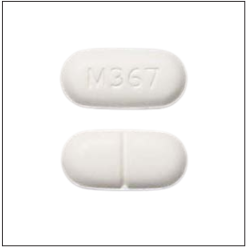

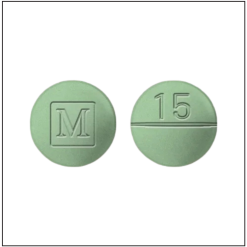










Buy Hydrocodone Online

Buy Hydrocodone 10/500mg Online

Price range: $399.00 through $1,099.00
This product has multiple variants. The options may be chosen on the product page

Buy Hydrocodone Online

Buy Hydrocodone 10/650mg Online

Price range: $399.00 through $1,099.00
This product has multiple variants. The options may be chosen on the product page

Buy Hydrocodone Online

Buy Hydrocodone 10/660mg Online

Price range: $399.00 through $1,099.00
This product has multiple variants. The options may be chosen on the product page

Buy Hydromorphone Online

Buy Hydromorphone 2mg Online

Price range: $357.00 through $807.00
This product has multiple variants. The options may be chosen on the product page

Buy Hydromorphone Online

Buy Hydromorphone 4mg Online

Price range: $367.00 through $827.00
This product has multiple variants. The options may be chosen on the product page

Buy Hydromorphone Online

Buy Hydromorphone 8mg Online

Price range: $377.00 through $857.00
This product has multiple variants. The options may be chosen on the product page

Buy Lortab Online

Buy Lortab 10/325mg Online

Price range: $417.00 through $807.00
This product has multiple variants. The options may be chosen on the product page

Buy Lortab Online

Buy Lortab 10/500mg Online

Price range: $417.00 through $817.00
This product has multiple variants. The options may be chosen on the product page

Buy Methadone Online

Buy Methadone 10mg Online

Price range: $311.00 through $707.00
This product has multiple variants. The options may be chosen on the product page

Buy Methadone Online

Buy Methadone 5mg Online

Price range: $312.00 through $657.00
This product has multiple variants. The options may be chosen on the product page

Buy Norco Online

Buy Norco 10/325mg Online

Price range: $418.00 through $957.00
This product has multiple variants. The options may be chosen on the product page

Buy Norco Online

Buy Norco 5/325mg Online

Price range: $348.00 through $757.00
This product has multiple variants. The options may be chosen on the product page

Medication Guide

Understanding Pain Killers: A Comprehensive Guide to Analgesics

Everything you need to know about pain management, opioid versus non-opioid options, safe dosages, and minimizing side effects.

1. What Are Pain Killers?

Pain killers, clinically referred to as analgesics, are a broad class of medications utilized to relieve pain, discomfort, and inflammation. Ranging from mild over-the-counter (OTC) medicines to powerful prescription formulations, analgesics are essential for treating everything from minor headaches to severe post-operative trauma.

Effective pain management is central to physical recovery and maintaining a high quality of life. Whether you are dealing with an acute injury or chronic conditions like arthritis, selecting the right medication is crucial. If you have a valid doctor's prescription for advanced pain management, you can securely buy pain killers online through Trusted Rx Dose's verified platform.

2. Types of Pain Killers: Non-Opioids vs. Opioids

Analgesics are primarily divided into two overarching categories, each targeting pain through completely different biological mechanisms:

Non-Opioid Analgesics

These target pain directly at the site of the injured tissue. They include Acetaminophen (Tylenol) and NSAIDs like Ibuprofen and Naproxen. Non-opioids are non-habit forming and are best for mild-to-moderate pain and inflammation.

Opioid Analgesics (Narcotics)

These work centrally by binding to opioid receptors in the brain and spinal cord, altering how the body perceives pain. Includes medications like Codeine, Morphine, and Buprenorphine. Prescribed only for moderate-to-severe pain.

3. Primary Uses & Therapeutic Benefits

Depending on the specific class of medication, pain killers offer targeted relief for varying health conditions:

  • Acute Pain Relief: Effectively managing sudden and severe pain resulting from trauma, bone fractures, dental procedures, or major surgeries.
  • Chronic Pain Management: Providing ongoing relief for persistent conditions such as osteoarthritis, fibromyalgia, and chronic lower back pain.
  • Inflammation Reduction: Certain non-opioids (NSAIDs) reduce swelling and heat at the injury site, promoting faster physical recovery.
  • Nerve Pain (Neuropathy): Specialized prescription pain medications, such as Gabapentin, specifically calm the electrical activity of damaged nerves.

4. Dosage Guidelines and Administration

Analgesic dosages must be strictly individualized based on the patient’s pain severity, medical history, and specific drug class. General clinical guidelines include:

  • The "Pain Ladder" Approach: Healthcare providers generally start with the lowest effective dose of a non-opioid medication before escalating to stronger prescription drugs.
  • Ceiling Effect (Non-Opioids): Drugs like Acetaminophen have a ceiling effect, meaning taking more than the maximum dose will not provide more pain relief, but will drastically increase the risk of liver damage.
  • Tolerance (Opioids): Over time, the body may require higher doses of opioid medications to achieve the same level of pain relief. Dosages should only be increased under direct clinical supervision.

5. Potential Risks and Side Effects

All medications carry some risk of side effects. While non-opioids are generally safe when used as directed, opioids are potent narcotics that carry significant risks, including physical dependency and addiction.

Common Side Effects: Nausea, vomiting, constipation (common with opioids), mild drowsiness, upset stomach, and heartburn (common with NSAIDs).

Critical Safety Warnings

Opioid Overdose: Taking high doses of opioids can cause fatal respiratory depression (shallow, slow breathing).
Liver Damage: Exceeding daily limits of Acetaminophen can lead to acute, irreversible liver failure.
GI Bleeding: Long-term, high-dose use of NSAIDs dramatically increases the risk of severe stomach ulcers and bleeding.

6. Safety Precautions & Contraindications

To prevent profound side effects and ensure a safe recovery cycle, you must adhere to the following protocols:

  • Avoid Alcohol: Mixing pain medication (both OTC and prescription) with alcohol significantly increases the risk of liver damage and fatal respiratory depression.
  • Never Share Medications: Sharing prescription opioids is illegal and highly dangerous, as individual tolerance levels vary drastically.
  • Proper Disposal: Safely dispose of leftover prescription painkillers (such as fentanyl patches) to prevent accidental poisoning in children or pets.
  • Preventing Withdrawal: If you have used opioid analgesics for an extended period, do not stop abruptly. Consult your doctor for a safe tapering schedule to prevent severe withdrawal symptoms.

7. Conclusion

Pain killers are a cornerstone of modern medicine, allowing patients to heal comfortably and maintain their quality of life. However, treating pain requires a careful balance. Always consult with your healthcare provider to accurately communicate your pain levels and develop a safe, personalized treatment plan.

If you are managing an acute injury or chronic pain condition under clinical guidance, you can securely buy FDA-approved pain medication through Trusted Rx Dose for reliable, discreet delivery right to your door.